
Mastering the Art of a Balanced Plate
Building a Balanced Plate: The Key to Healthy Eating
Creating a balanced plate is essential for maintaining good health and well-being. A well-balanced meal provides your body with the nutrients it needs to function properly. It can help you feel energized, improve your mood, and support your overall health. But what does a balanced plate look like? Let's explore how to build one.
Components of a Balanced Plate
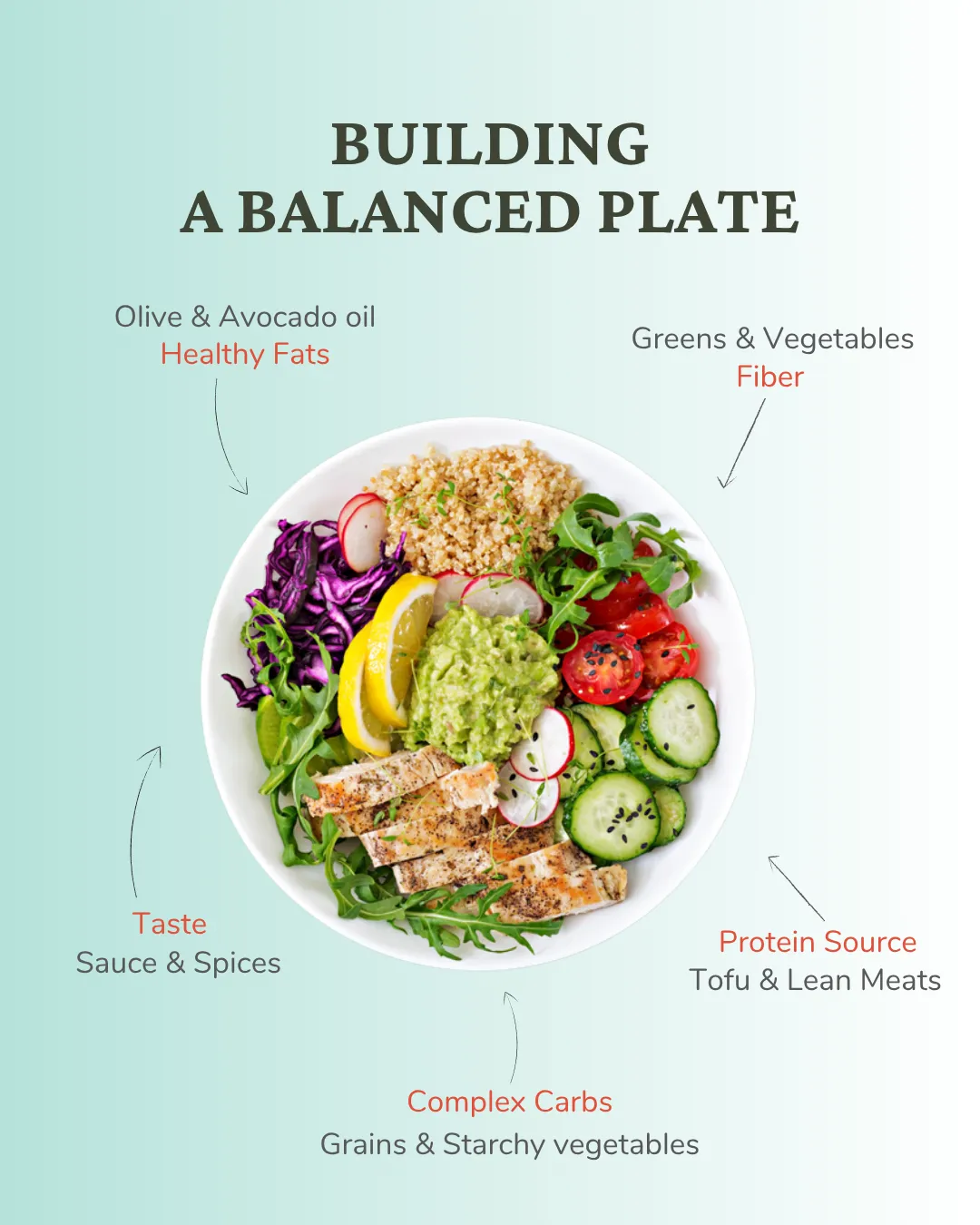
A balanced plate includes a mix of different food types. Let's break it down:
- Healthy Fats: These include olive and avocado oils. Healthy fats are important for brain health and hormone production. They also help you feel full.
- Fiber: Found in greens and vegetables, fiber helps in digestion and keeps your gut healthy. It can prevent constipation and even lower the risk of heart disease.
- Protein Source: Lean meats and tofu provide the proteins your body needs to build and repair tissues. Proteins are also vital for maintaining muscle mass, especially as we age.
- Complex Carbs: Grains and starchy vegetables are essential as they provide energy. Complex carbs take longer to break down, keeping you full for a longer time.
- Taste: Using sauces and spices can increase the enjoyment of your meal. Choose spices that not only taste good but offer health benefits too.
Steps to Create Your Own Balanced Plate
- Start with Vegetables: Aim for half of your plate to be filled with various vegetables. This adds color and a wide range of nutrients.
- Select Your Protein: Choose a lean protein like chicken, fish, or plant-based proteins such as beans or tofu. A healthy portion is about the size of your palm.
- Add Whole Grains: Whole grains like quinoa or brown rice should take up about a quarter of your plate. These are excellent sources of energy.
- Include Healthy Fats: A small amount of healthy fats can be added through oils in cooking or as a dressing.
- Flavor with Spices and Sauces: Use natural spices and light sauces to enhance flavor without adding too many calories.
Benefits of a Balanced Diet
Eating a balanced diet offers numerous advantages:
- Improved Health: Provides essential nutrients, supporting physical health.
- Weight Management: Helps control weight by providing a sense of fullness and balanced energy intake.
- Increased Energy: Offers sustained energy, perfect for active lifestyles.
- Better Mood: Nutrient-rich foods can boost mental health and mood.
Practical Tips for Balanced Eating
Making balanced meals doesn't have to be complicated. Here are some quick tips:
- Plan Your Meals: Planning ahead can make it simpler to create balanced meals.
- Mix It Up: Vary your food choices to cover a broad spectrum of nutrients.
- Listen to Your Body: Pay attention to hunger and fullness cues to avoid overeating.
Conclusion
Building a balanced plate is a fundamental step towards achieving a healthier lifestyle. By incorporating different food groups, you ensure your body gets the nutrition it needs. Start today by examining your meal patterns, and incorporate these elements for a more nutritious diet. Remember, healthy eating is a journey, not a destination.